

Elevate Fit: Built the first website for a fitness brand
Drove 28% more signups in 60 days. 8 page templates, fully responsive,
designed and delivered in 6 weeks.

Highlights
Elevate Fit had no digital presence before this project, the only way to reach new clients was social media. The new site gave them a place to convert visitors into members.
Measured in the 60 days following launch.
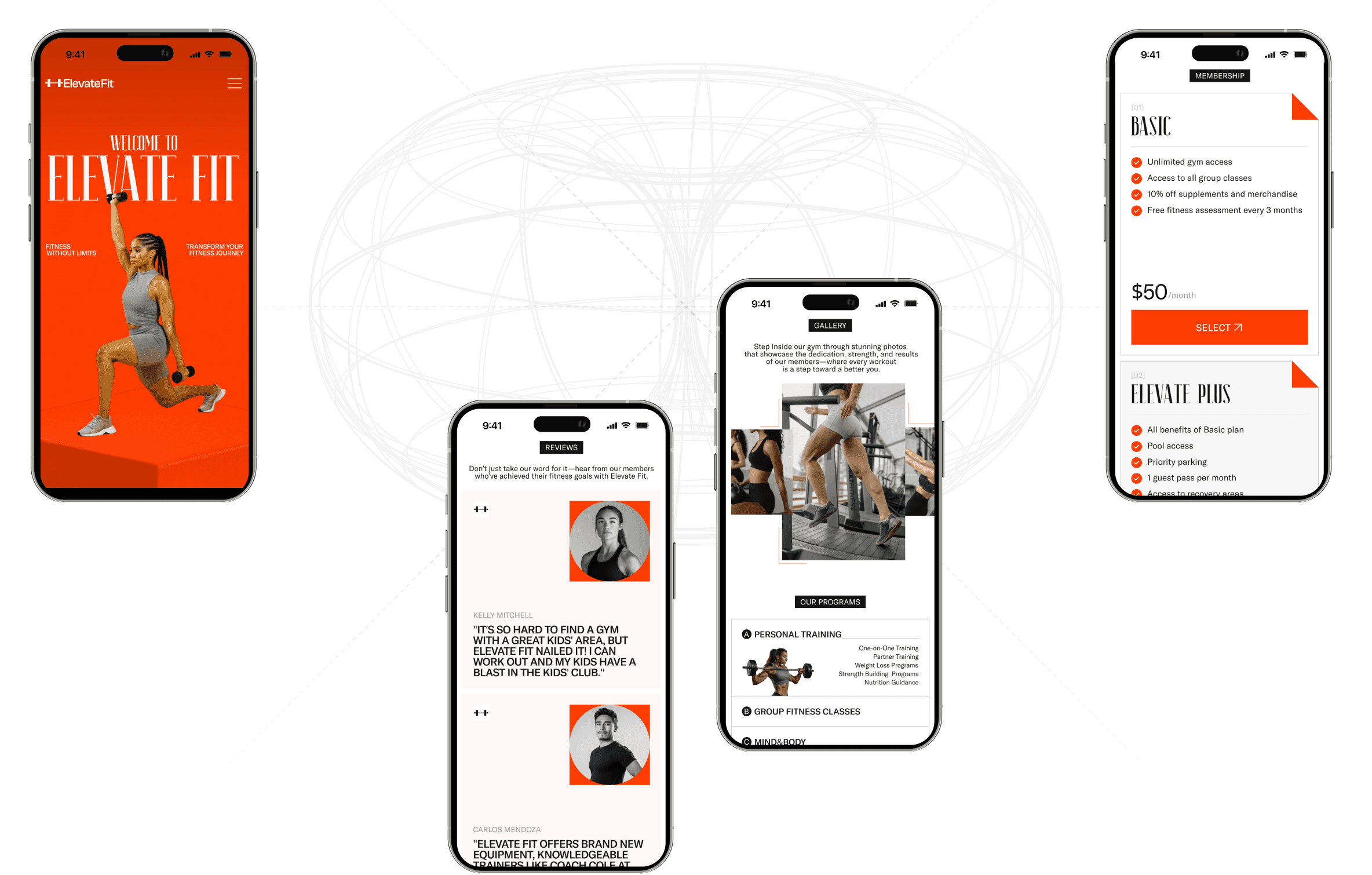
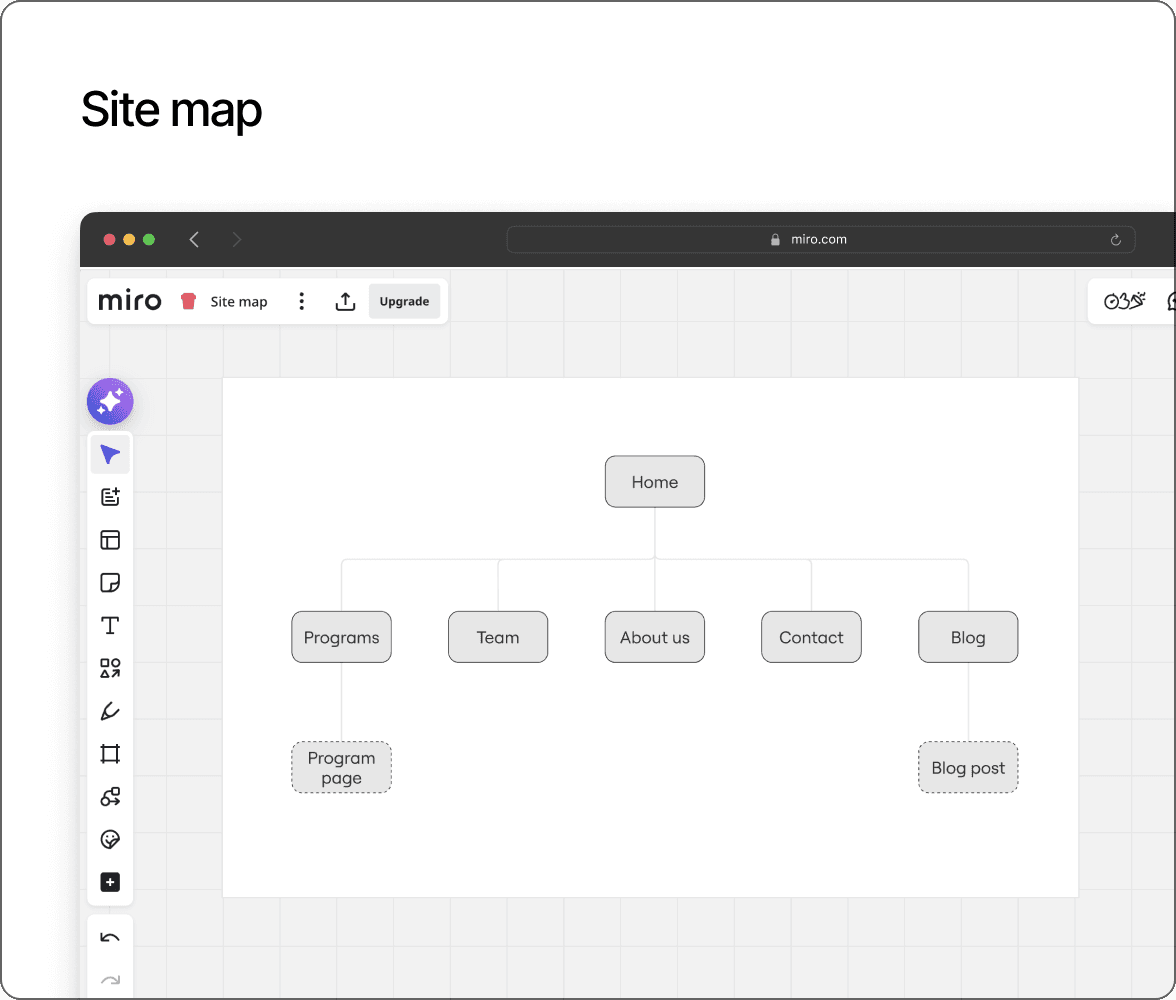
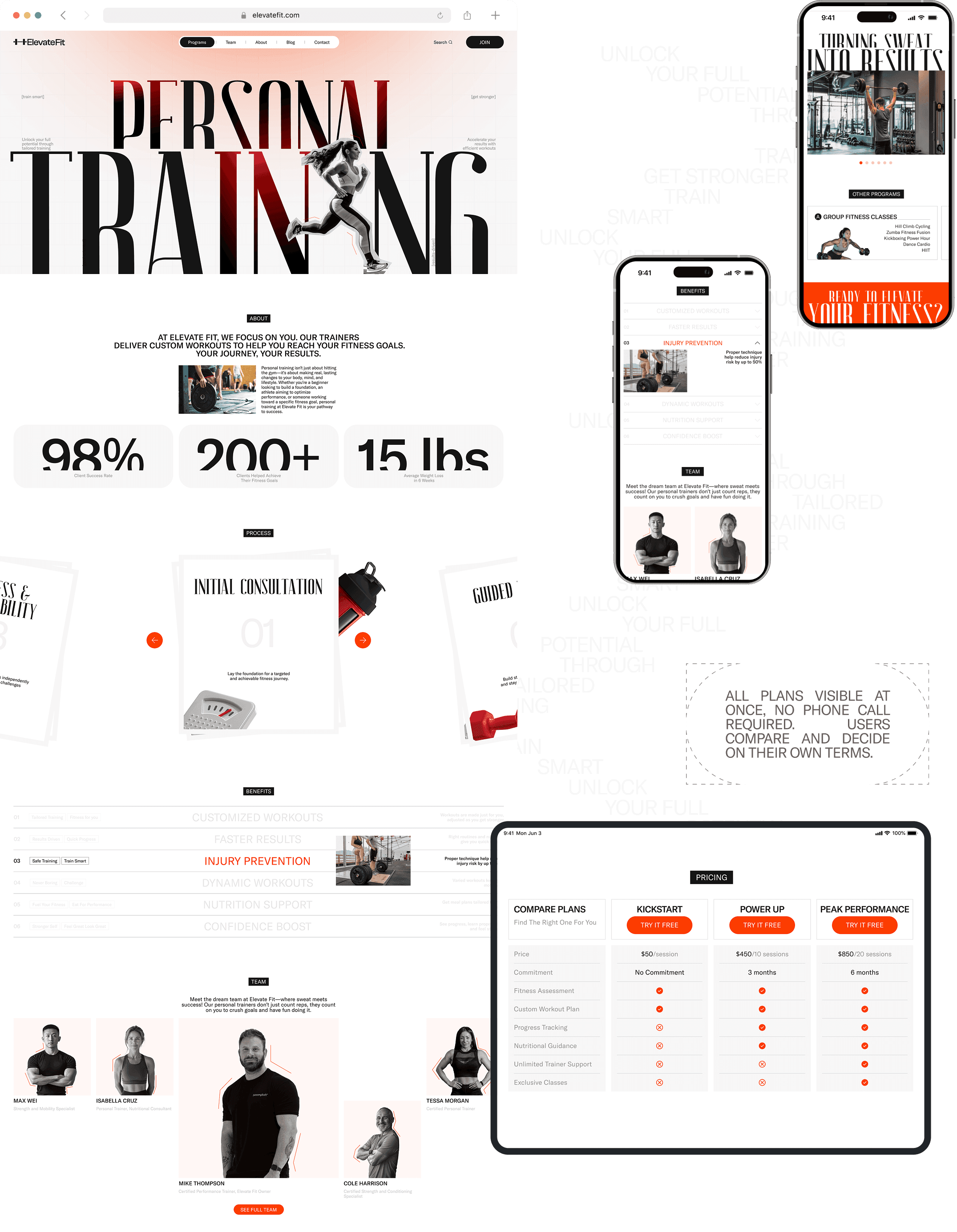
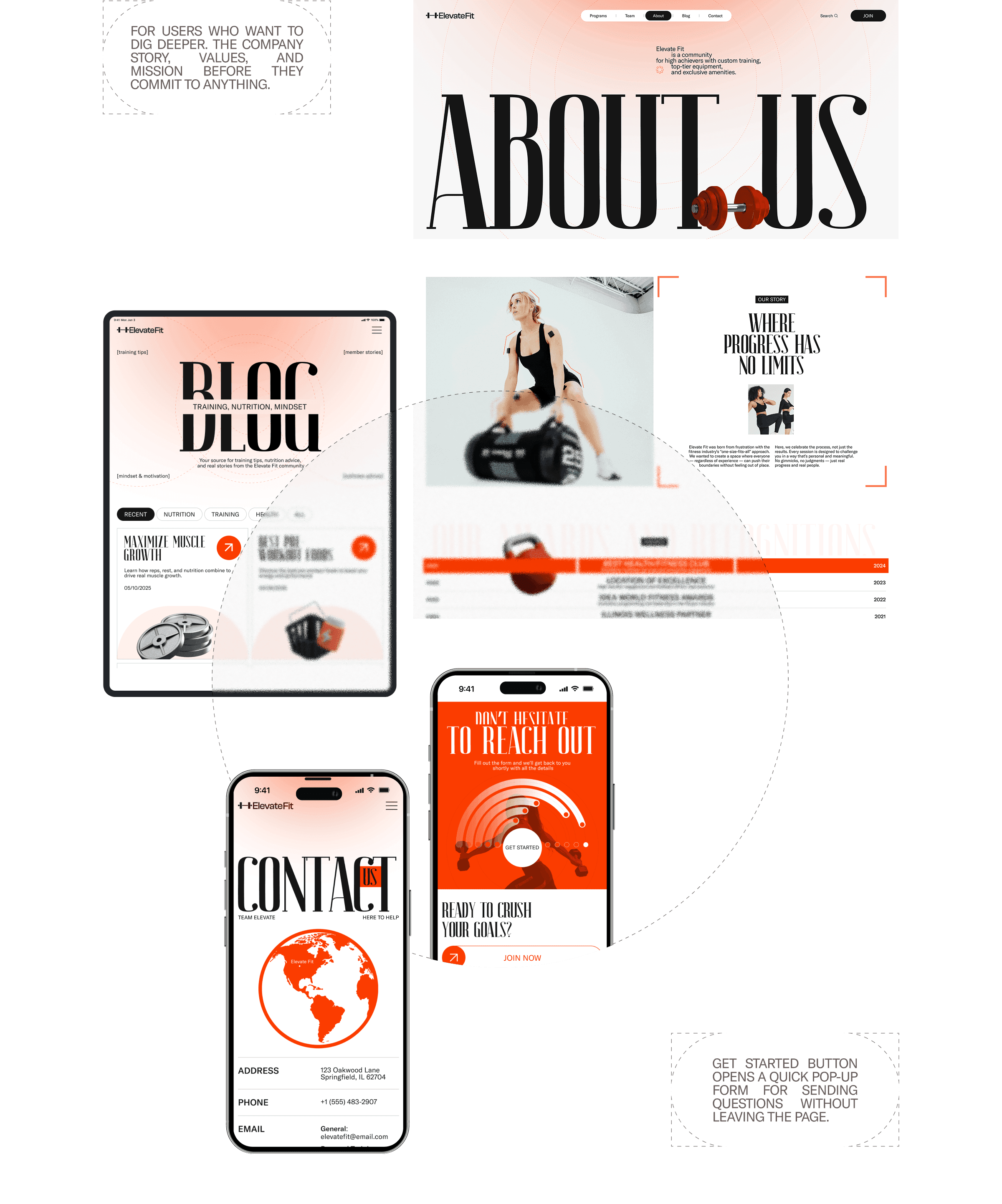
Designed across 3 breakpoints, covering the full visitor journey from first visit to signup.
Most visitors explored beyond the page they landed on.
Challenge
Competitor research revealed a pattern across fitness brands: crowded pages, broken links, and pricing deliberately hidden behind contact forms. Studios were pushing visitors to call rather than decide. That approach loses the people who arrived ready to commit.



Research approach
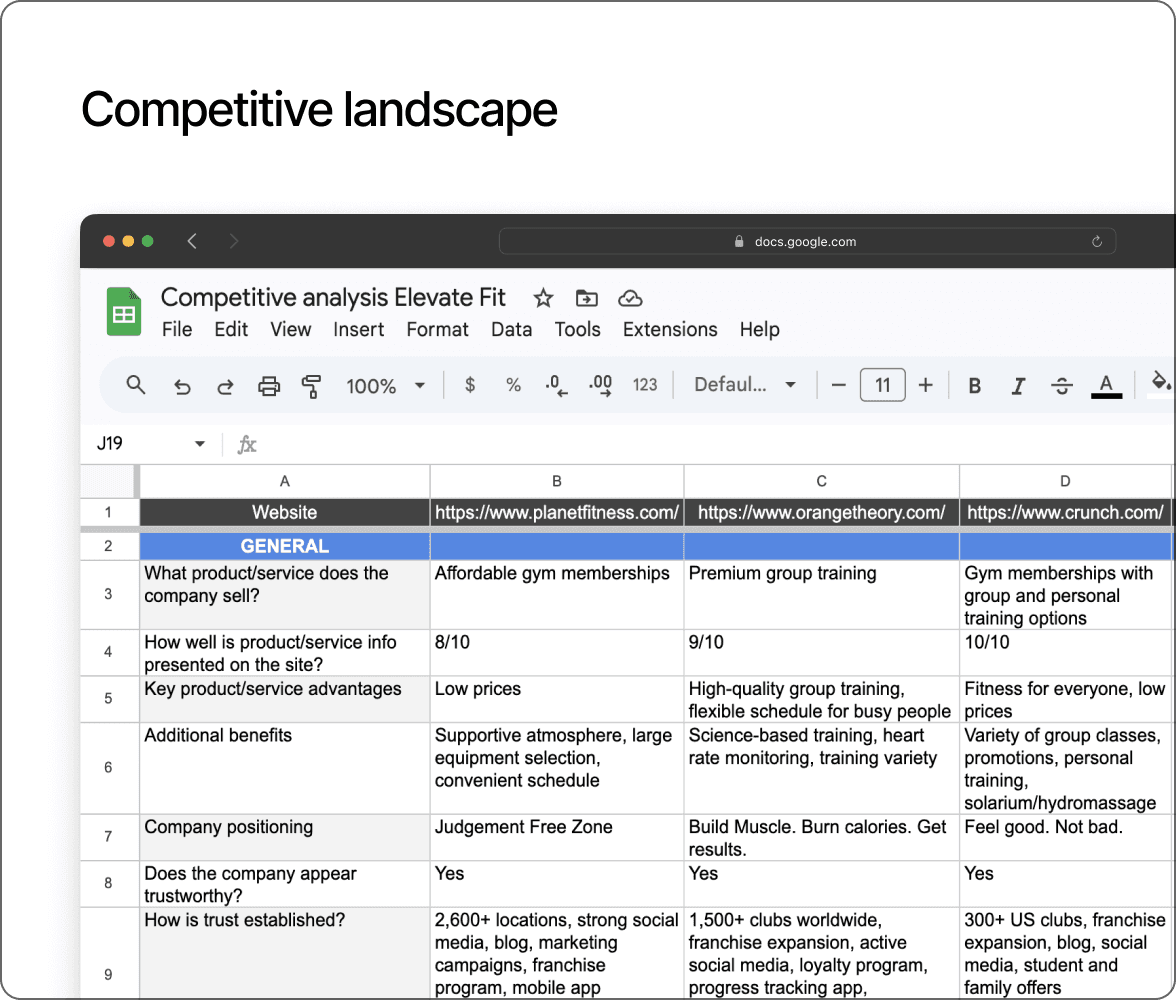
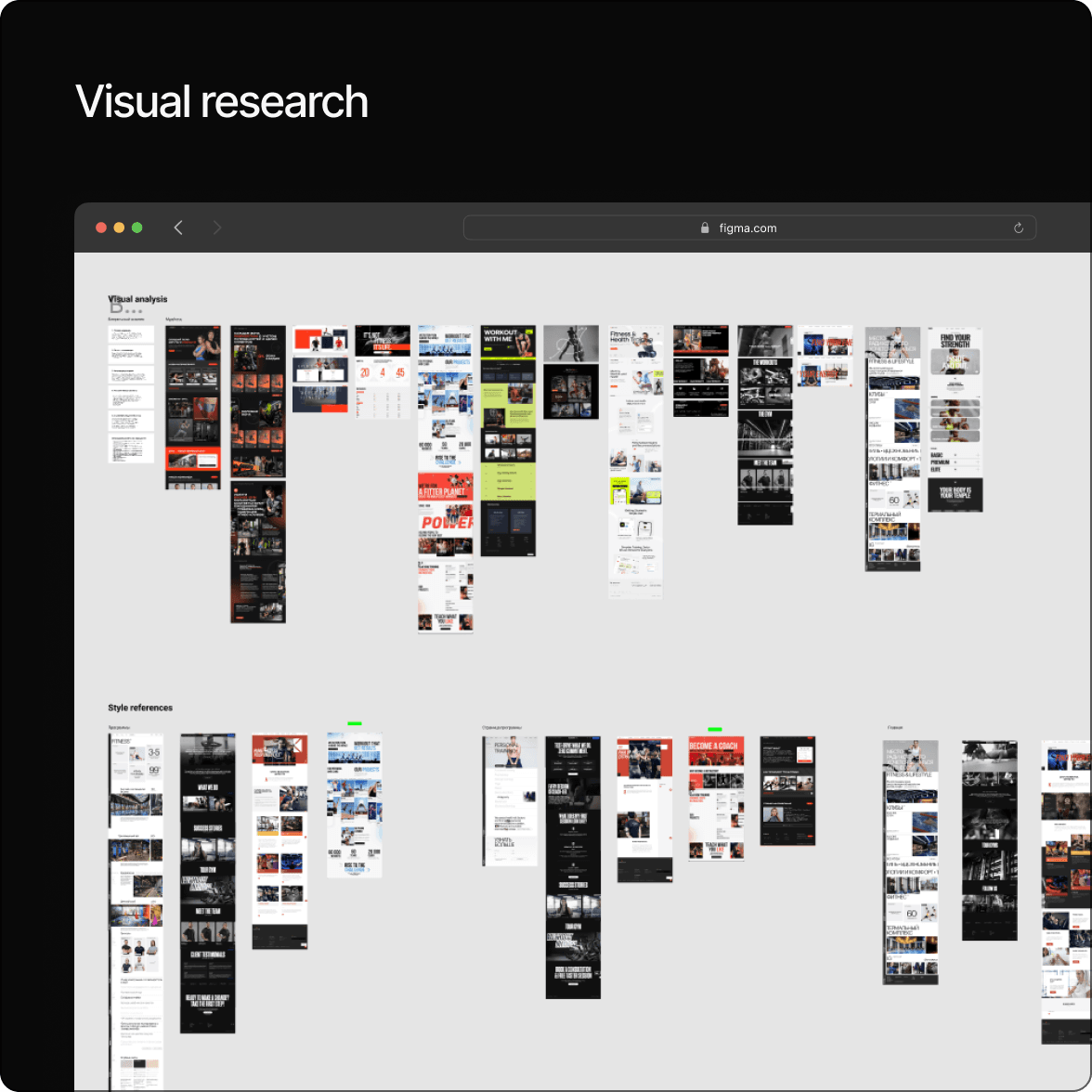
I mapped the competitive landscape across five fitness brands, analyzing navigation, pricing transparency, content structure, and design quality.
The pattern was consistent: crowded pages and pricing buried behind contact forms. Orange Theory was the strongest design benchmark. Iron Asylum was the only one where prices were immediately visible.
Exploration
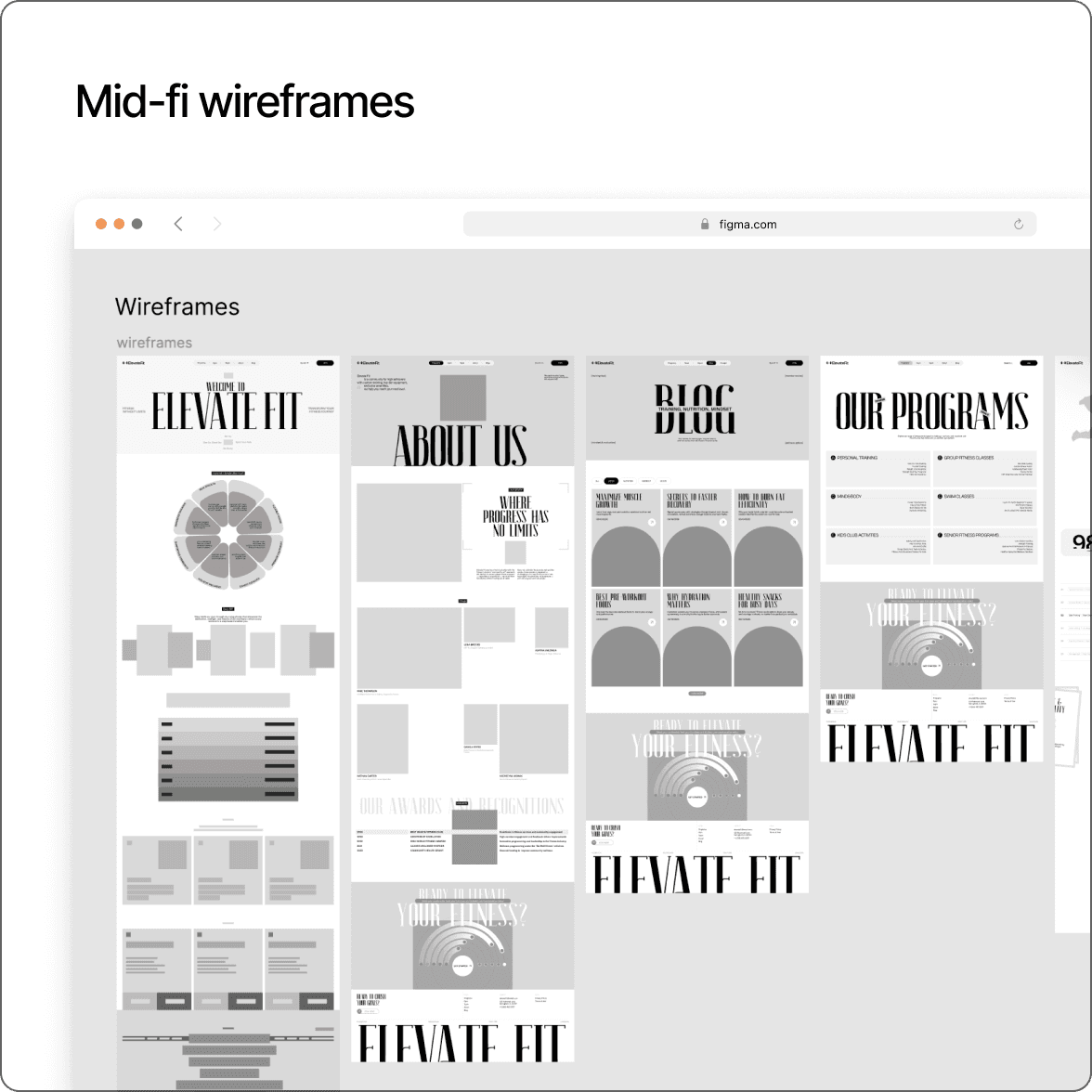
Before moving to high fidelity, I built mid-fidelity wireframes to validate layout and content hierarchy. In parallel, I mapped the visual direction through extensive reference research: fitness brands, editorial design, and athletic photography.
Key screens
UI Kit
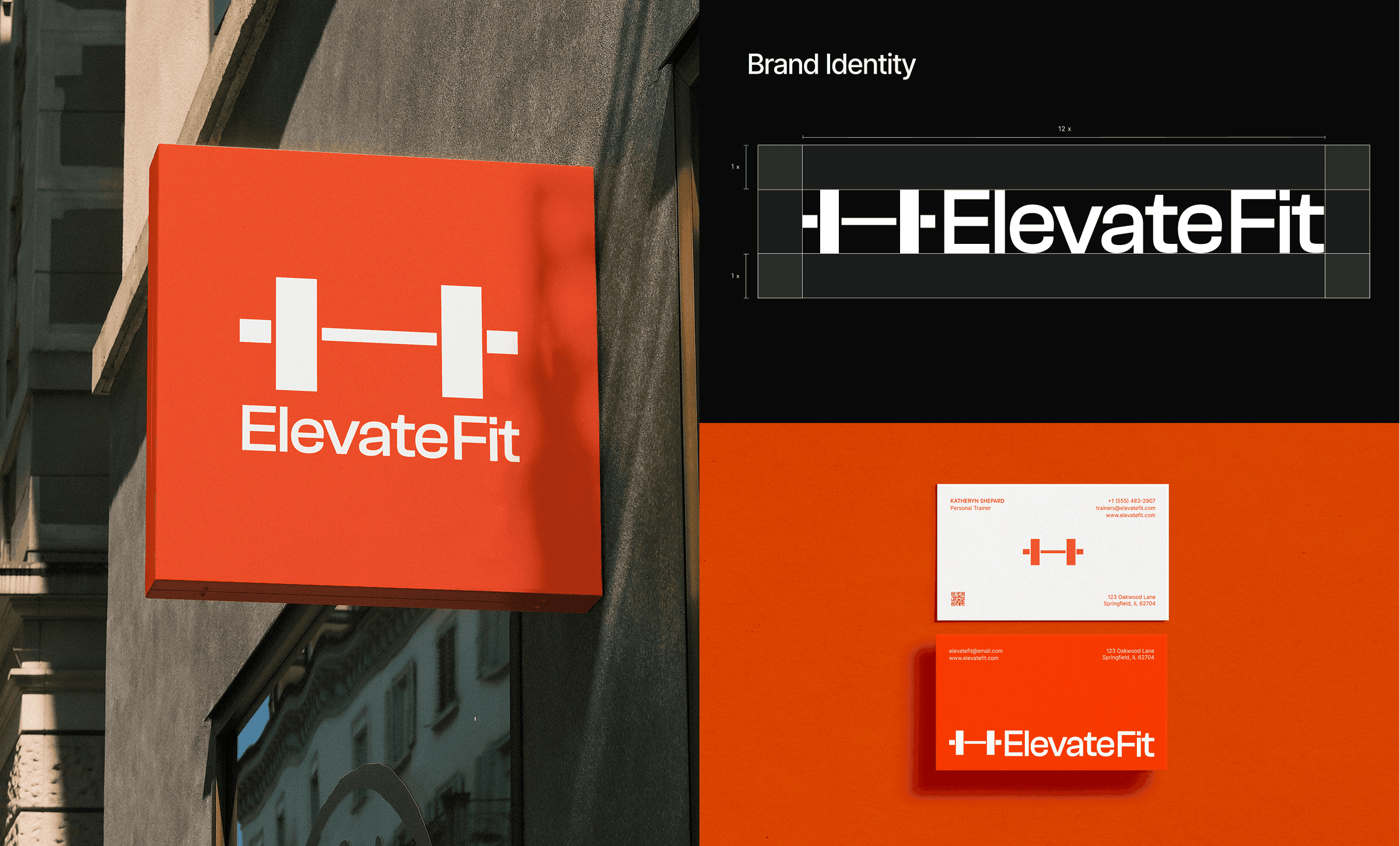
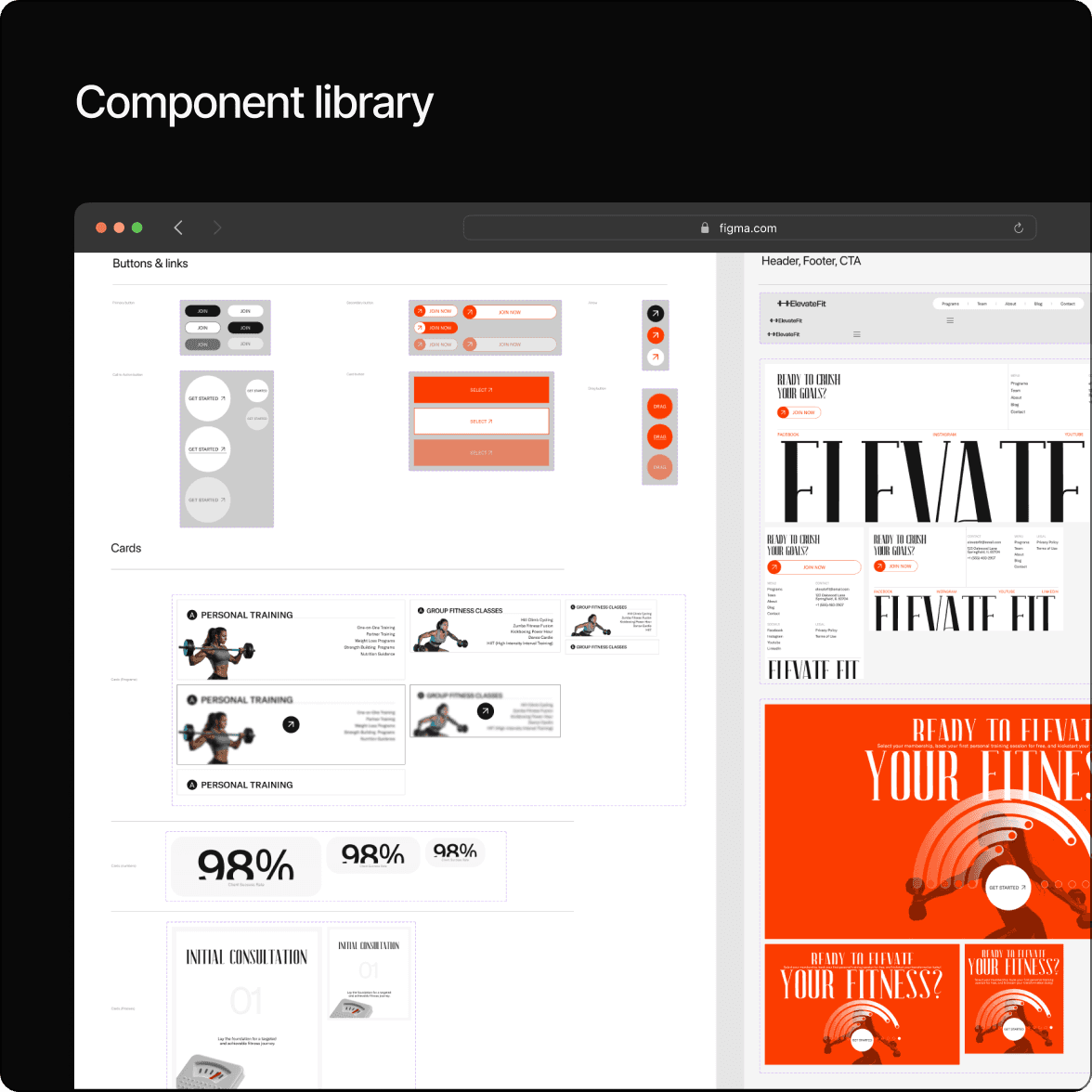
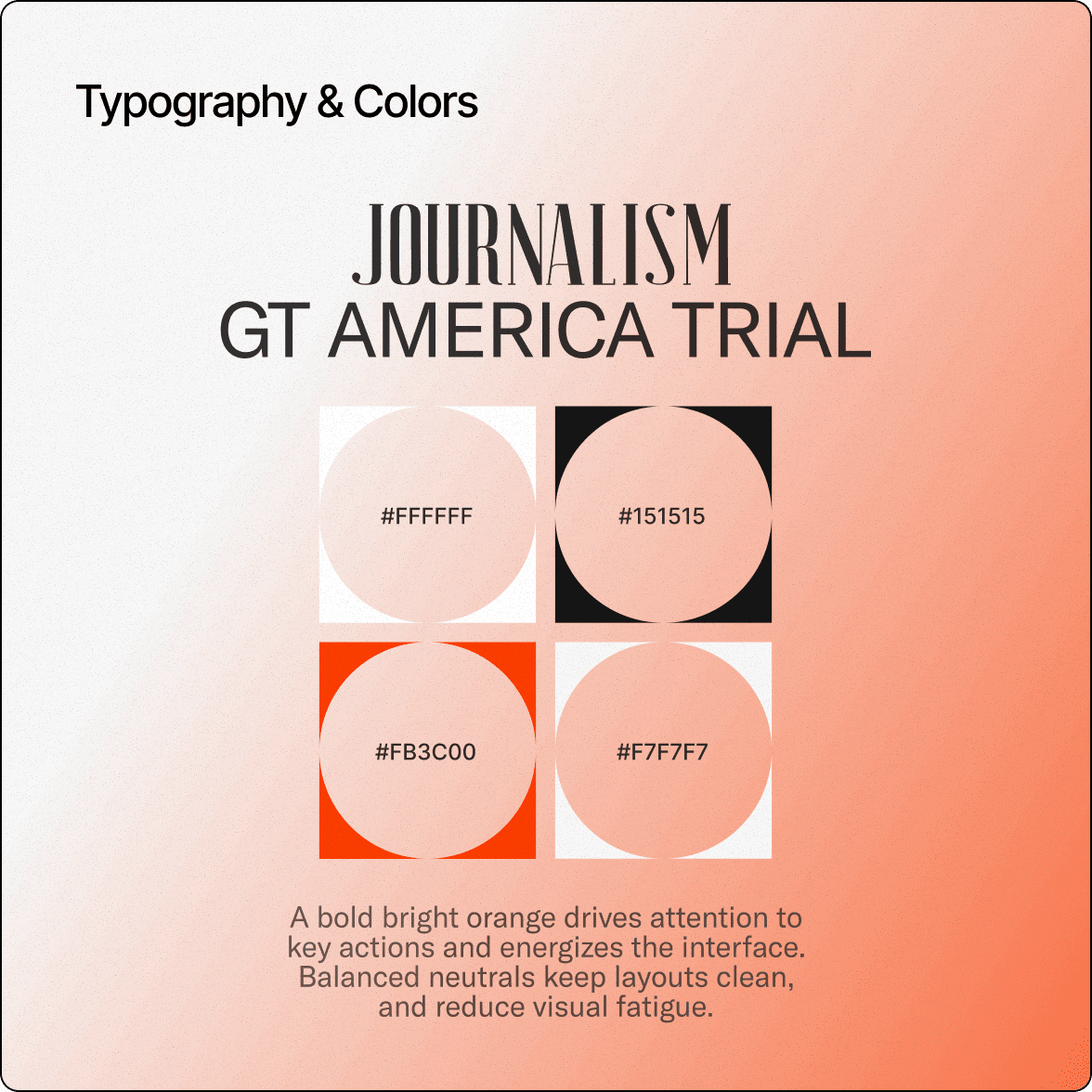
A two-font system, component library, and focused color palette built to keep the brand consistent across eight page templates and three breakpoints.
Takeaways
What I learned
This project pushed me to go further visually than I had before. I created all custom imagery using Midjourney and Recraft AI, generating athletes in motion turned out to be genuinely difficult.
AI struggled with body proportions and exercise poses, so I learned to write extremely detailed prompts, use image references, and iterate until the result matched the design direction. It taught me that bold visual decisions require bold effort to execute.
What I'd do differently
Next time I'd bring the developer into the conversation earlier so technical constraints shape the design before they become problems.
I didn't connect with the developer until handoff on this project. Some design decisions had to be simplified because they were too complex to implement, custom decorative line elements being one example.

